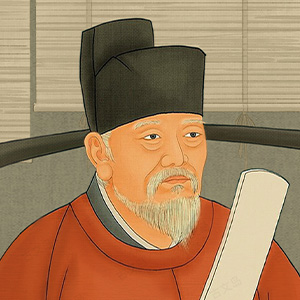
Ouyang Xiu
Overview
Ouyang Xiu (1007-1072) was a significant figure in Chinese literature and politics during the Song Dynasty (960-1279). He is recognized as one of the Eight Masters of the Tang and Song dynasties known for their prose. Ouyang Xiu played a pivotal role in setting literary standards that influenced generations. He was a prolific writer, poet, historian, and calligrapher who left an indelible mark on Chinese culture.
Early Life and Education
Born in 1007 in present-day Jiangxi province, Ouyang Xiu showed an early interest in literature and the classics. Despite financial difficulties, he pursued his studies with determination. At the age of 22, he successfully passed the highest imperial examination, achieving the prestigious "jinshi" degree. His education and subsequent success in examinations propelled him towards a notable career in government service and scholarship.
Political Career
Ouyang Xiu's political career was marked by his reformist ideas and involvement in various bureaucratic roles. He served as an official in several capacities, including a stint as Minister of Rites, where he influenced the administration of the empire. Ouyang Xiu was a prominent advocate for political and cultural reform, often challenging conservative elements within the Song court. His tenure in government was not without controversy; he faced several dismissals and demotions due to his outspoken nature and reformist agenda.
Literary Contributions
A master of both prose and poetry, Ouyang Xiu's literary works have endured as classics. His essays and lyrical poetry are celebrated for their clarity, elegance, and emotional depth. He was instrumental in popularizing the "ancient prose movement," which sought to emulate the straightforward and vigorous style of earlier classical texts. This movement was integral to the cultural renaissance of the Song Dynasty, stressing simplicity and moral integrity in writing.
Ouyang Xiu's poetry often reflects personal introspection and a profound connection to nature. His influence extended to notable contemporaries, including Su Shi, who admired and was inspired by Ouyang Xiu's literary prowess.
Calligraphy and Art
Apart from his writings, Ouyang Xiu was also an accomplished calligrapher, and his style was characterized by elegance and fluidity. His calligraphic works, although less numerous than his literary creations, hold a significant place in the history of Chinese art. As a cultural icon, Ouyang Xiu's artistic contributions further cemented his legacy as a key figure in the Song Dynasty's cultural landscape.
Historical and Cultural Impact
Ouyang Xiu's impact on Chinese culture and history is multifaceted. As a historian, he led a team of scholars to compile the New History of the Tang Dynasty, which offered a comprehensive account of the preceding era and provided critical insights into Chinese historiography. His approach to historical writing combined rigorous scholarship with a narrative style that was both engaging and informative.
Additionally, Ouyang Xiu's advocacy for literature and education deeply influenced the intellectual environment of his time. His efforts to reform the examination system and promote merit-based advancement in government positions were significant in shaping Song Dynasty governance and its emphasis on scholarly achievement.
Legacy
Ouyang Xiu's legacy extends beyond his literary and official accomplishments. His life and works embody the spirit of intellectual curiosity and cultural revitalization that characterized the Song Dynasty. As a thinker, reformer, and artist, he continues to be revered as a model of scholarly excellence and moral integrity in Chinese history.
His influence is evident in the continued study and appreciation of his works, which remain a touchstone for scholars and students of classical Chinese literature. Ouyang Xiu's contributions helped lay the foundation for subsequent generations of Chinese intellectuals, solidifying his status as one of the great cultural luminaries of his era. Article reference1. Hubei exhibit highlights Song Dynasty calligraphers’ masterpieces. chinaservicesinfo.com. 20222. Eight masters on display at Liaoning Museum. chinadaily.com.cn. 2020Photo Gallery(1 picture)CategoriesLiteratureTagHistorical FiguresLiterary MastersRelatedEight Great Prose Masters of the Tang and Song DynastiesMi FuSong CiCatalogue1. Overview2. Early Life and Education3. Political Career4. Literary Contributions5. Calligraphy and Art6. Historical and Cultural Impact7. Legacy- - - []








